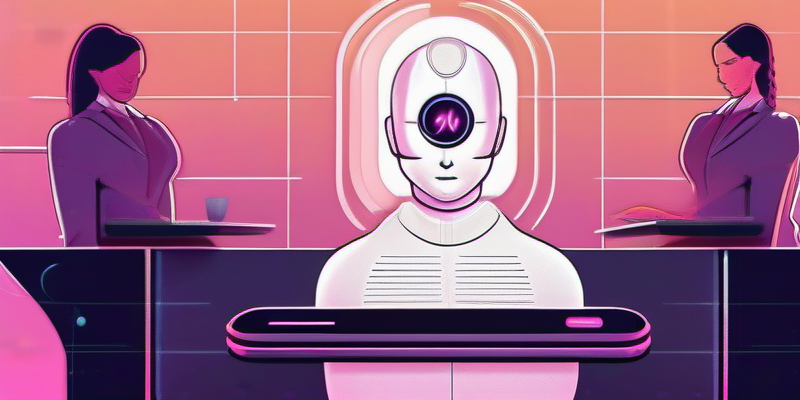
The Role of AI in Content Creation: Opportunities and Ethical Considerations
Artificial Intelligence (AI) is revolutionizing the way content is created, from writing and design to video production and marketing. While AI offers unprecedented opportunities for efficiency and creativity, it also raises important ethical questions. In this post, we’ll explore the transformative impact of AI on content creation, the opportunities it presents, and the ethical considerations that must be addressed.
Opportunities in AI-Powered Content Creation
1. Efficiency and Speed
AI tools can generate content in seconds, significantly reducing the time and effort required for tasks like writing, editing, and design. For example:
- AI Writing Assistants: Tools like Jasper, Copy.ai, and Writesonic can draft blog posts, social media updates, and product descriptions in minutes.
- AI Image Generators: Platforms like DALL·E and MidJourney create high-quality images based on text prompts, eliminating the need for extensive design work.
- AI Video Editors: Tools like Synthesia and Pictory automate video creation, making it easier to produce professional-quality content.
By automating repetitive tasks, AI allows creators to focus on higher-level strategy and creativity.
2. Personalization
AI enables hyper-personalized content tailored to individual preferences and behaviors. For instance:
- Recommendation Engines: Platforms like Netflix and Spotify use AI to suggest content based on user history.
- Dynamic Content: AI can customize website content, emails, and ads to match the interests of specific audiences.
- Chatbots: AI-powered chatbots provide personalized customer support and recommendations in real time.
Personalization enhances user engagement and improves conversion rates, making it a valuable tool for marketers and businesses.
3. Creative Assistance
AI is not just about automation; it can also enhance human creativity. For example:
- Writing Tools: Grammarly and Hemingway Editor help improve clarity, grammar, and style.
- Design Tools: Canva and Adobe Sensei offer AI-driven design suggestions and templates.
- Idea Generation: AI can brainstorm topics, headlines, and even entire outlines for blog posts or videos.
By augmenting human creativity, AI empowers creators to produce higher-quality content more efficiently.
4. Scalability
One of the biggest advantages of AI is its ability to scale content production without proportionally increasing costs. Businesses can:
- Automate Social Media Posts: Schedule and generate posts across multiple platforms.
- Produce Bulk Content: Create product descriptions, FAQs, and blog posts in large quantities.
- Localize Content: Use AI to translate and adapt content for different languages and regions.
Scalability makes AI particularly valuable for startups and small businesses looking to compete with larger players.
Ethical Considerations
While AI offers numerous benefits, it also raises ethical concerns that must be addressed:
1. Authenticity and Originality
AI-generated content can sometimes lack the human touch, leading to generic or unoriginal output. Additionally, there are concerns about plagiarism, as AI models are trained on existing content and may inadvertently reproduce it.
Solution: Always review and edit AI-generated content to ensure it aligns with your brand voice and meets quality standards.
2. Bias and Fairness
AI models can perpetuate biases present in their training data. For example:
- Gender or Racial Bias: AI-generated images or text may reflect stereotypes.
- Cultural Insensitivity: AI may not account for cultural nuances or context.
Solution: Use diverse and representative datasets to train AI models and regularly audit outputs for bias.
3. Job Displacement
AI has the potential to replace human jobs in content creation, from writing and design to video editing. While AI can handle repetitive tasks, it lacks the creativity, empathy, and critical thinking skills that humans bring to the table.
Solution: Focus on upskilling and adapting to AI tools rather than viewing them as replacements. Use AI to augment human work, not replace it.
4. Misinformation and Deepfakes
AI can be used to create convincing fake content, such as deepfake videos or fake news. This poses significant risks for misinformation and manipulation.
Solution: Implement safeguards to detect and prevent the spread of AI-generated misinformation. Platforms should also take responsibility for monitoring and removing harmful content.
5. Transparency
There is an ongoing debate about whether AI-generated content should be labeled as such. Transparency is crucial for maintaining trust with audiences, who have the right to know whether the content they consume is created by humans or machines.
Solution: Clearly disclose when content is AI-generated and provide context about how it was created.
Best Practices for Ethical AI Content Creation
To harness the power of AI while addressing ethical concerns, follow these best practices:
- Human Oversight: Always review and edit AI-generated content to ensure quality and authenticity.
- Diversity in Training Data: Use diverse datasets to minimize bias in AI outputs.
- Transparency: Disclose when content is AI-generated to maintain trust with your audience.
- Ethical Guidelines: Follow industry standards for responsible AI use, such as Google’s AI Principles or the EU AI Act.
The Future of AI in Content Creation
AI is poised to play an even larger role in content creation in the coming years. While it will continue to automate repetitive tasks, its greatest potential lies in augmenting human creativity. By embracing AI tools responsibly, creators can unlock new levels of efficiency, personalization, and innovation.
However, it’s essential to remain mindful of the ethical challenges posed by AI. By prioritizing transparency, fairness, and human oversight, we can ensure that AI enhances content creation without compromising integrity or trust.
Conclusion
AI is transforming content creation, offering unprecedented opportunities for efficiency, personalization, and scalability. However, these benefits come with ethical considerations that must be carefully managed. By balancing innovation with responsibility, we can harness the power of AI to create better content while upholding the values of authenticity, fairness, and transparency.
What are your thoughts on AI in content creation? Have you used AI tools in your work? Share your experiences in the comments below!